
Chronic alcohol use weakens bones and makes them more likely to break in a fall. It also increases your likelihood of developing osteoporosis. Older adults have less water in their bodies than younger people. Because you need water for almost every bodily function, including blood circulation and lubricating joints, you may feel the effects of aging more intensely if you drink regularly. Another reason to limit your alcohol intake is that it’s one of the main culprits for those extra pounds you’ve mysteriously put on.
- BAC is a measure of the amounts of alcohol in the bloodstream.
- While sun exposure and smoking are well-known collagen destroyers, alcohol’s internal inflammation and hormonal disruption create a unique double threat.
- Alcohol also increases oxidative stress and the production of harmful free radicals, which can break down collagen (the skin’s main structural protein) and lead to loss of elasticity.
- This widespread organ damage disrupts the body’s intricate chemical balance and metabolic processes, leading to systemic premature aging.
Does Alcohol Make You Look Older?
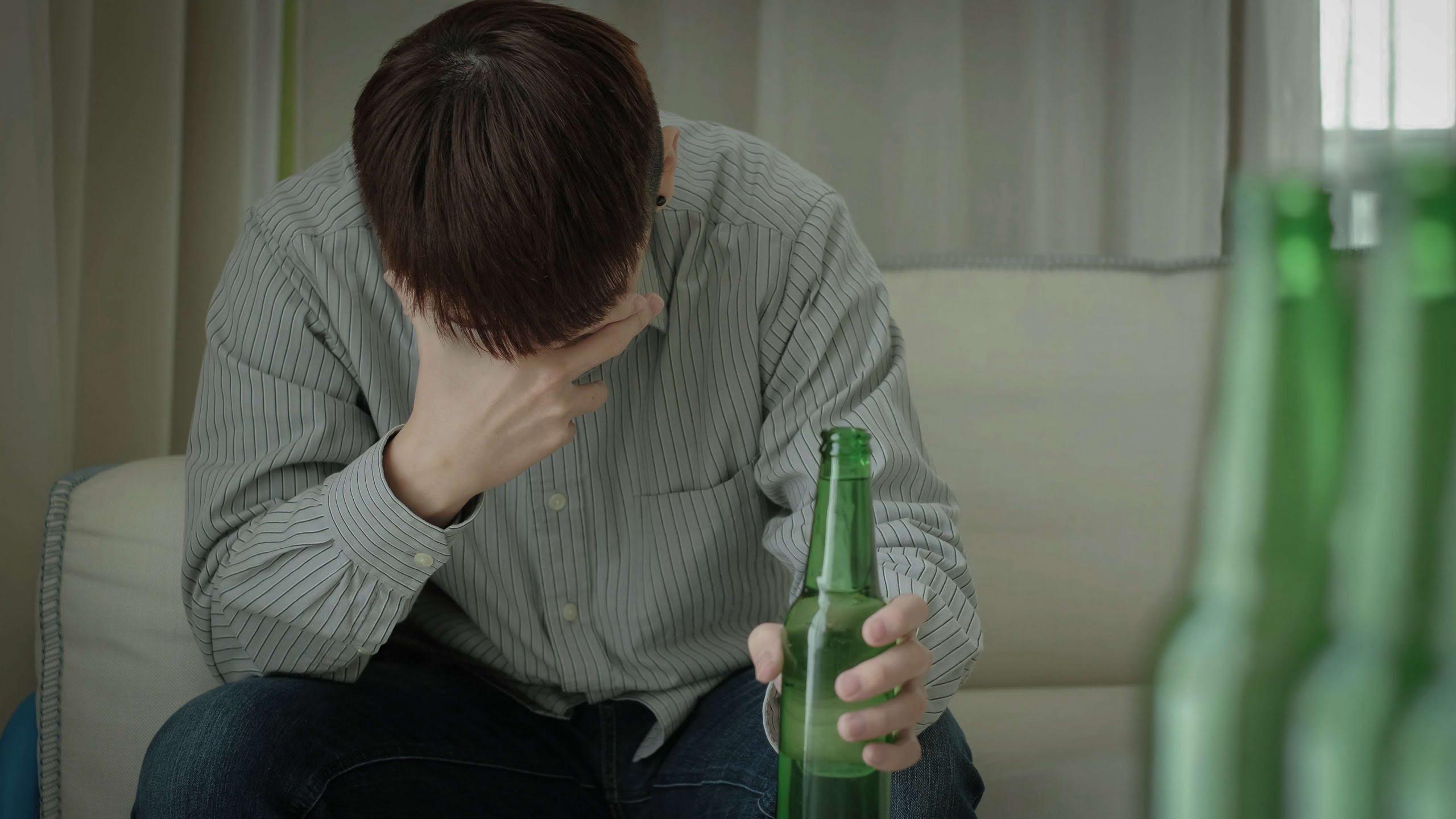
We need to increase the circulation of the blood to all parts of the body, and especially to the fine blood vessels under the skin. Exercise is important to maintain healthy muscles, avoid fat deposition, and to keep that healthy appearance which makes us look younger. Exercise is always a good way to prevent the effects of alcohol ageing and those annoying alcohol wrinkles. There is great benefit if you avoid alcohol and avoid inactivity.
Are Moles a Health Concern?
Broken bones from a stumble are a serious health issue for seniors. It’s because alcohol can affect your balance and sense of judgment. Over time, it also can damage the cerebellum, the area in your brain that handles balance and coordination. Alcohol may not only make you more likely to get does alcohol make you look older sick as you age, it also can make common medical problems worse. Studies show that heavy drinkers can have a harder time with things like osteoporosis, diabetes, high blood pressure, stroke, ulcers, cancer, memory loss, and certain mood disorders. Further research is needed to investigate alcohol’s exact effects on aging.
- Getting proper treatment empowers you to manage alcoholism while implementing lifestyle changes to improve your health and counteract the negative effects of long-term drinking.
- Besides physical appearance, most individuals are conscious about the way that they smell.
- First, hydrate internally by alternating every alcoholic drink with a glass of water.
Why Smoking is Bad for Your Skin
Even one night of heavy drinking can make your lines and wrinkles look more pronounced. Telomeres are markers of biological aging, and shorter telomeres are linked to a greater risk of developing chronic diseases such as type drug addiction 2 diabetes and heart disease. Many substances also directly affect a person’s physical appearance, causing them to look much older than they actually are.
If you struggle with alcohol abuse, it’s not just the hangover making you feel achy and look haggard. You could be suffering from the aging effects of alcohol. Alcohol impacts your health on many levels, and the effects of alcohol on skin and aging can make you feel less than your best. Many people experience renewed vitality in recovery as their bodies begin to heal from these detrimental effects of alcohol.
How does your body change after 6 months of no alcohol?
They have dry skin and don’t want to put energy into their appearance. Opiate abusers frequently feel warm as part of the effects of the drug. They are also more likely to have dark sweat stains on their clothing. Another effect of opiate abuse is bloodshot eyes and bags under the eyes.
Because alcohol robs us of quality sleep, our skin does not receive the necessary cellular turnover to keep our youthful complexion, adding further to our skin woes. Fortunately, your gut microbiome can recover relatively quickly once you stop drinking. Within weeks, your beneficial bacteria can start to rebalance, inflammation decreases, and your skin can begin healing. Research shows that alcohol creates oxidative stress and causes changes that fundamentally alter how your gut bacteria function. Your normally helpful bacteria can’t do their jobs properly, and harmful bacteria start to take over.
Alcohol Causes Oxidative Stress
Make today count and take the first step towards a more fulfilling life. Let Little Creek Recovery Center guide you down the right path to recovery, personal growth, and long-term sobriety. Get in contact with us today, or learn more about how our program works. Soon, you can be on the road to a more youthful self—inside and out. Ria Health offers several FDA-approved medications for alcohol use disorder.
For those aged 30 and above, adding a hyaluronic acid moisturizer can help replenish lost moisture, improving skin texture and reducing the appearance of pores. Exfoliating 2-3 times a week with a chemical exfoliant, such as salicylic acid, can also help prevent breakouts by keeping pores clear. Many people who achieve sobriety report significant improvements in their appearance. Their skin often becomes clearer and more hydrated, redness decreases, and they tend to have more energy and better sleep, contributing to a more youthful and healthy look. For example, drinking alcohol when you take aspirin can raise your chances of stomach problems or internal bleeding. Mixing it with certain sleeping pills, pain medications, or anxiety drugs can be life-threatening.